What Is Event Marketing and How Does an Event Promotion Service Drive Growth?
At its core, event marketing is the strategic promotion of a live conference, concert, trade show, or virtual summit to attract the right audience, generate buzz, and drive measurable actions (like buying a ticket or registering). While event planning makes sure the coffee is hot and the microphones actually work, event marketing makes sure there are human beings sitting in the chairs to listen.
Partnering with an event promotion service accelerates your growth by turning a one-time gathering into a powerful engine for brand authority and sales. Left to our own devices, human beings are world-class procrastinators. Ticket buyer procrastination is a real psychological phenomenon; most people wait until the week (or day!) of an event to pull out their wallets. A specialized promotion service designs strategic campaigns that actively dismantle this delay, building ticket sales momentum early through compelling narrative building, scarcity, and tiered pricing structures.
When executed properly, event marketing builds a sticky, multi-touch engagement loop:
Choosing an Event Promotion Service for Entertainment vs. Corporate Events
Not all events are born equal, and neither are their promotional playbooks. If you try to market a B2B cybersecurity summit the same way you promote a weekend indie rock festival, you are going to end up with a very confused (and quiet) room.
- Entertainment Events (Concerts, Festivals, Fairs): The primary fuel here is emotion, urgency, and lifestyle alignment. Buyer psychology relies on FOMO (Fear Of Missing Out). The promotional focus centers on high-impact visual content, artist announcements, tiered early-bird pricing, and social media buzz.
- Corporate & Trade Show Events: The fuel here is value, networking, professional development, and direct return on investment (ROI). B2B decision-makers need to justify spending corporate dollars or taking time away from their desks. Marketing strategies prioritize clear session outlines, high-profile keynote speakers, trade show lead capture mechanisms, and demographic targeting on professional channels like LinkedIn.
Multi-Channel Promotional Tactics
To beat the digital noise in 2026, relying on a single promotional channel is like trying to play a symphony on a kazoo. You need a synchronized multi-channel approach that surrounds your ideal attendee wherever they hang out online and offline.
Combining search visibility with precision paid media gives you complete coverage of both high-intent searchers and passive scrollers. For instance, pairing dynamic search ads via Google Ads for Small Businesses A Smart Way to Generate More Leads with broad brand awareness tactics allows you to capture people actively searching for “tech conferences near me” while nurturing interest across social feeds. For massive consumer events, incorporating high-impact traditional media like The Ultimate Guide to TV Marketing Strategies elevates brand prestige and captures broad local demographics that digital channels alone might miss.
Strategic Execution: Timelines, Channels, and Partnerships
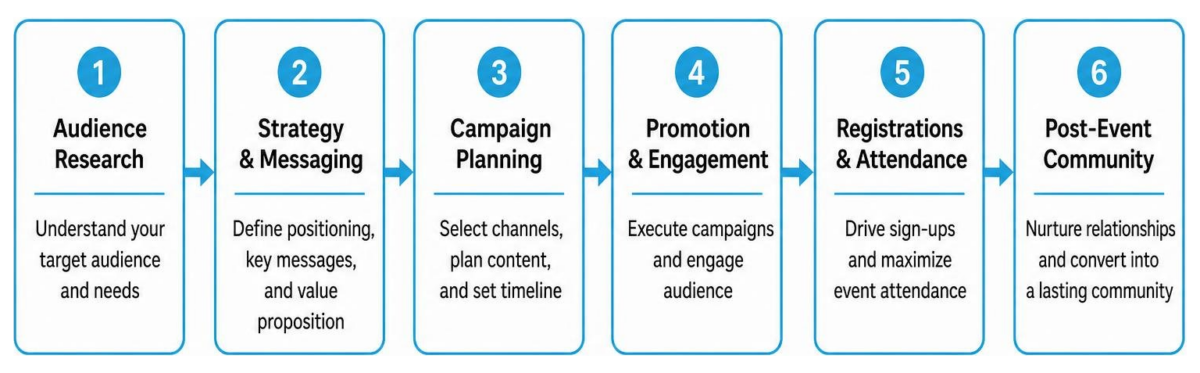
Great event marketing is never a random scramble; it is a carefully orchestrated roadmap where every message drops at the exact right second to nudge potential attendees down the conversion funnel.
Setting the Ideal Promotional Timeline
While micro-events or local meetups can get away with shorter turnarounds, major events ideally require a 6 to 8-week launch window at a minimum—and major annual festivals often market continuously year-round.
Here is what a high-performing promotional timeline looks like:
- Phase 1: Pre-Announcement & Foundation (Weeks 8–10): Establish the core visual identity, launch a mobile-optimized event landing page, set up tracking pixels, and announce save-the-dates to warm email lists.
- Phase 2: Early Bird & Momentum Launch (Weeks 6–8): Open registrations with steep tiered pricing discounts. Deploy initial press releases and launch targeted paid campaigns to ignite early cash flow and validate demand.
- Phase 3: Value Expansion & Partner Push (Weeks 3–5): Announce key speakers, workshop schedules, and entertainment lineups. Activate influencer affiliates, sponsor co-marketing packages, and push retargeting ads to landing page visitors who didn’t finish checking out.
- Phase 4: The Final Urgency Sprint (Weeks 1–2): Shift messaging to “Last Chance,” “Tiered Pricing Ending,” or “Only 15 Seats Left.” Increase ad spend frequency across social media and send targeted SMS/email reminders.
- Phase 5: Live Execution & Post-Event (Week 0+): Capture real-time user-generated content (UGC), host live streams, run post-event feedback surveys, and immediately launch early-bird tickets for next year’s event.
Leveraging Email, Paid Ads, and Content Channels
Your event landing page is your digital front door, but direct channels like email and paid advertising are the invitation cards that bring people to the doorstep. Executing full-funnel Online Campaigns allows you to run granular automated email workflows tailored to attendee segments (e.g., past attendees vs. cold prospects).
Pairing targeted Meta ads with retargeting pixels ensures that when someone views your ticket page during lunch, they see a compelling video clip of last year’s keynote while scrolling on their phone after dinner.
Expanding Reach with Influencers, Affiliates, and Sponsors
Why build an audience entirely from scratch when you can borrow someone else’s?
- Influencer Partnerships: Micro-influencers in your industry carry massive trust. Arming them with unique ticket discount codes or VIP perks gives them an incentive to genuinely champion your gathering.
- Affiliate Networks: Turn past attendees, speakers, and local partners into micro-promoters by offering them a percentage commission on every ticket sold through their personal tracking link.
- Sponsorship Prospectuses: Modern event sponsors want way more than a logo printed on a vinyl banner behind the snack table. Offer them meaningful co-marketing activations, sponsored session stages, or dedicated email blasts to your registrant database.
Key Criteria for Selecting the Best Event Promotion Service

Choosing the right partner to trust with your event promotion service budget can mean the difference between an overflowing auditorium and a quiet room full of awkward echoes.
Aligning Your Budget with an Event Promotion Service
Agency pricing models vary significantly depending on scope and scale. Industry standard agency hourly rates typically span from $50 to $199+ per hour, while project minimum spend thresholds can range anywhere from $1,000 for localized digital ad setups to $250,000+ for global experiential brand activations.
When evaluating pricing, ensure full deliverable transparency. Does the fee include creative asset production, ad spend management, copy, and media buying, or are third-party ad budgets separate? A reliable partner will build clear ROI models upfront so you can easily calculate your break-even ticket volume.
Evaluating Agency Metrics and Historical Performance
Before signing any contract, perform due diligence on the partner’s historical execution capabilities. Consulting guides like our Lead Generation Agency Evaluation 101 will help you ask the right questions about accountability and performance tracking.
Look beyond flashy pitch decks and ask for verified data:
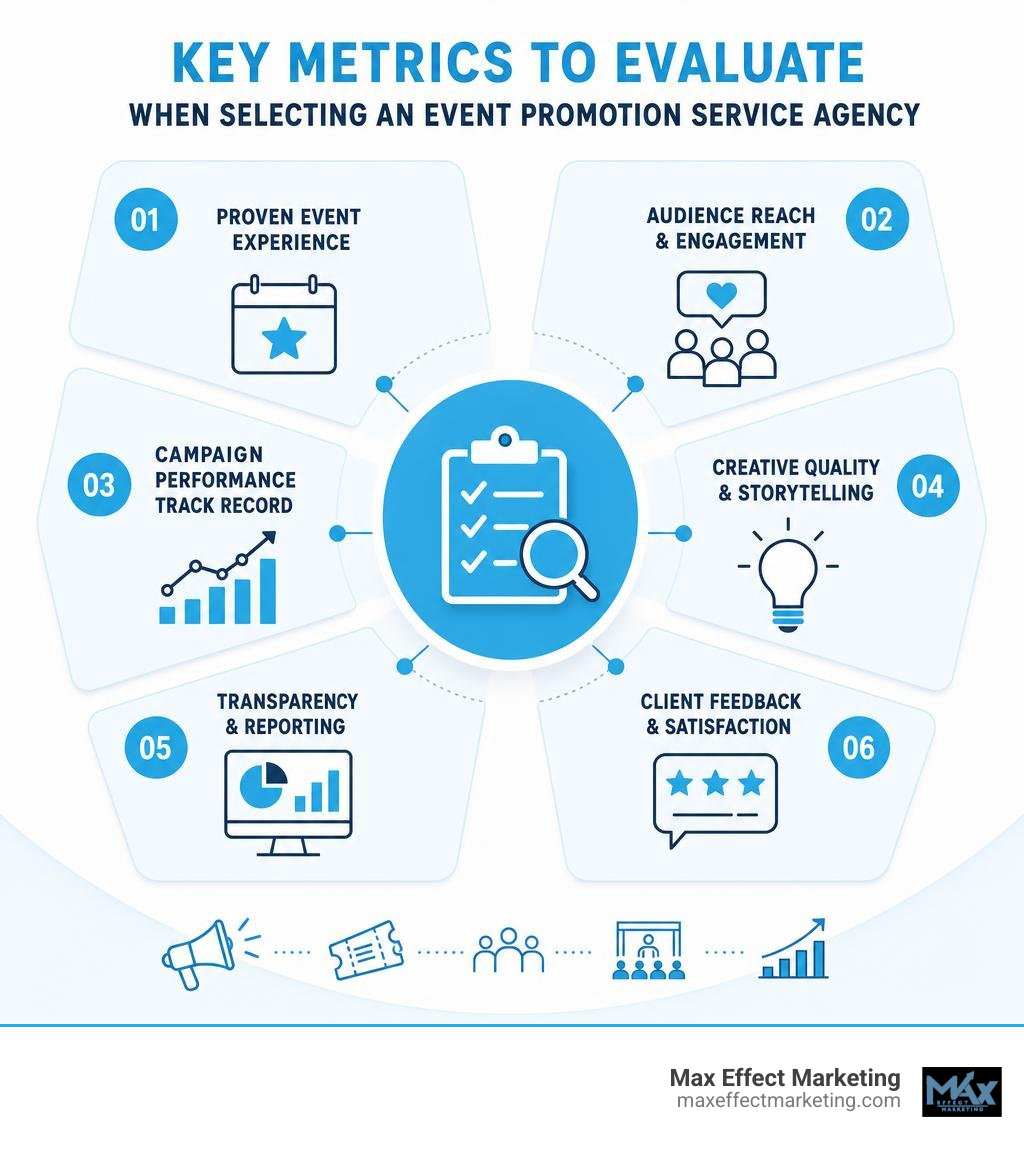
Look for agencies boasting high guest satisfaction scores, verifiable media impression generation, and positive client reviews highlighting problem-solving abilities, responsive project management, and creative versatility under pressure.
Post-Event Engagement and Analytics Optimization

The biggest mistake event planners make is stopping their marketing engine the second the clean-up crew starts sweeping confetti off the stage floor. Post-event marketing is where long-term brand equity and recurring attendance are won.
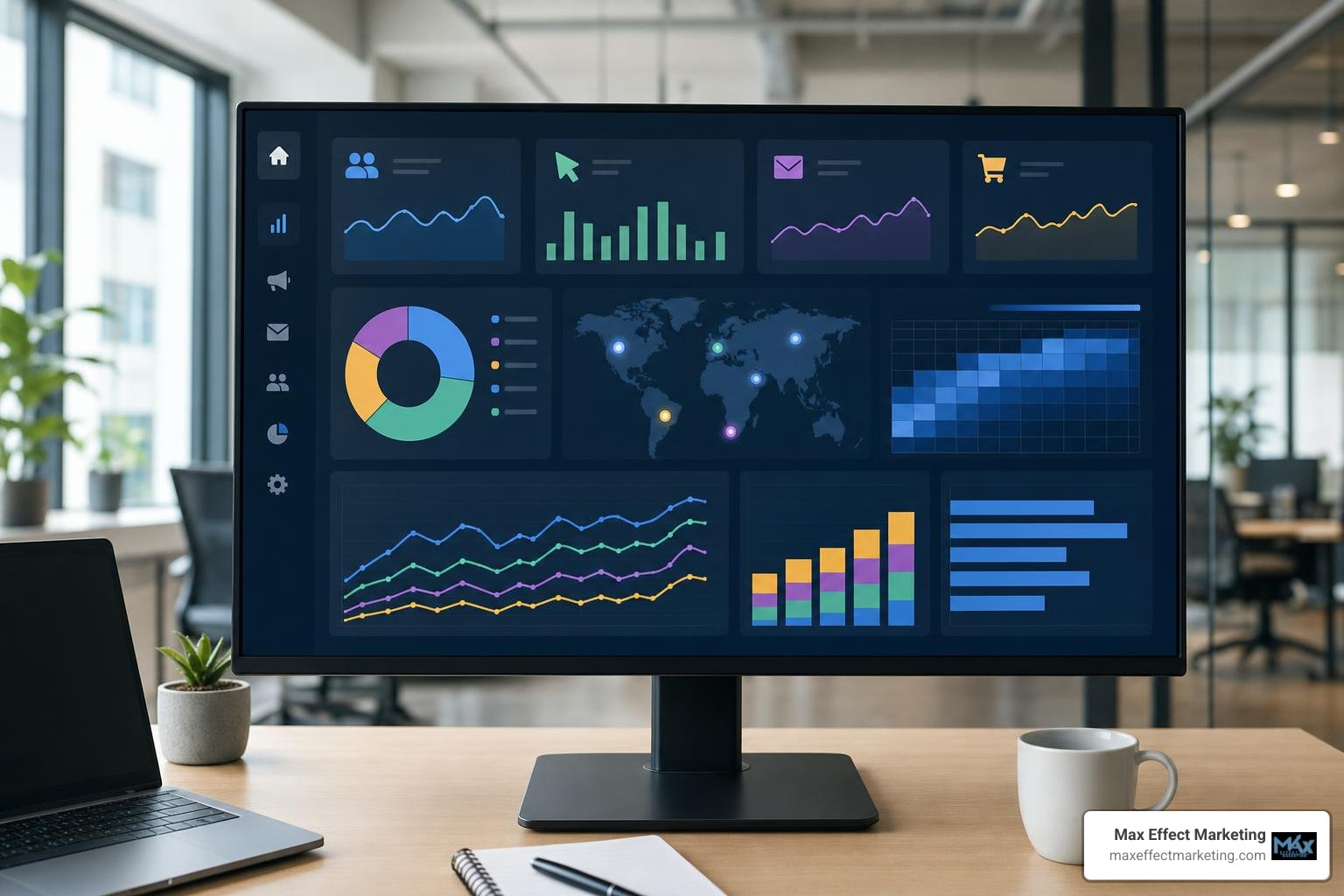
Measuring ROI with Data and Analytics
Data eliminates guesswork. By utilizing modern tracking setups—detailed in The Smart Marketers Guide to AI-Powered PPC Services—we monitor exact conversion paths, ad spend allocation, and cost-per-acquisition (CPA) per ticket.
Key metrics to analyze after the curtain falls include:
- Cost Per Registration / Ticket (CPA): How much media spend was required to secure each attendee?
- Conversion Rate by Traffic Channel: Did LinkedIn, email newsletters, or Google Search yield higher quality registrants?
- Attendee Engagement Rates: How many registrants actually attended (combating ghosting), and how long did they stay?
- Sponsor Impression ROI: Verifiable media impressions generated across social, web, and physical signage to validate sponsor satisfaction.
Sustaining Community for Future Events
An event shouldn’t be a temporary flash in the pan; it should be the anchor point for a thriving, year-round community.
Within 48 hours of your event ending, send personalized thank-you email sequences containing event recap videos, photo galleries, key takeaway slide decks, and feedback surveys. Use this moment of high emotional affinity to open pre-sales or discounted “loyalty tickets” for your next gathering. Keeping your audience engaged year-round dramatically lowers your acquisition costs when it comes time to promote your next event.
Frequently Asked Questions About Event Promotion
How far in advance should event marketing begin?
For most consumer and corporate events, promotional efforts should launch at least 6 to 8 weeks prior to the event date. Larger regional festivals, industry conventions, or high-ticket corporate summits frequently start pre-promotional teaser campaigns 6 to 12 months in advance to secure early travel schedules and budget allocations.
What is the main difference between event planning and event marketing?
Event planning focuses on logistics, operations, vendor coordination, staging, venue rentals, and smooth day-of execution. Event marketing focuses on audience research, messaging, lead generation, paid channels, creative production, and ticket sales strategies to ensure people actually buy tickets and show up.
How do data analytics optimize event ROI?
Data analytics allow event marketers to track exactly which channels (social ads, search campaigns, email outreach) drive the highest ticket volume at the lowest cost. Marketers can reallocate ad dollars in real-time toward high-performing channels, personalize attendee email journeys, and eliminate wasted ad spend.
Conclusion
Executing a profitable live or virtual event takes far more than just picking a cool venue and posting a flyer on social media. It demands a structured strategy—combining behavioral science, smart channel allocation, irresistible offers, precision ad targeting, and continuous data optimization.
Whether you are hosting an intimate B2B executive roundtable or a massive multi-day festival, having a proven partner in your corner ensures that every dollar spent on marketing turns into real seats filled and measurable business revenue. At Max Effect Marketing, we bring together cutting-edge AI technology with years of seasoned human strategy to build high-converting event campaigns designed to hit a 5X ROI.
Ready to fill your seats and smash your registration goals? Explore our customizable Online Campaigns or get in touch with our team today to build your custom event strategy!