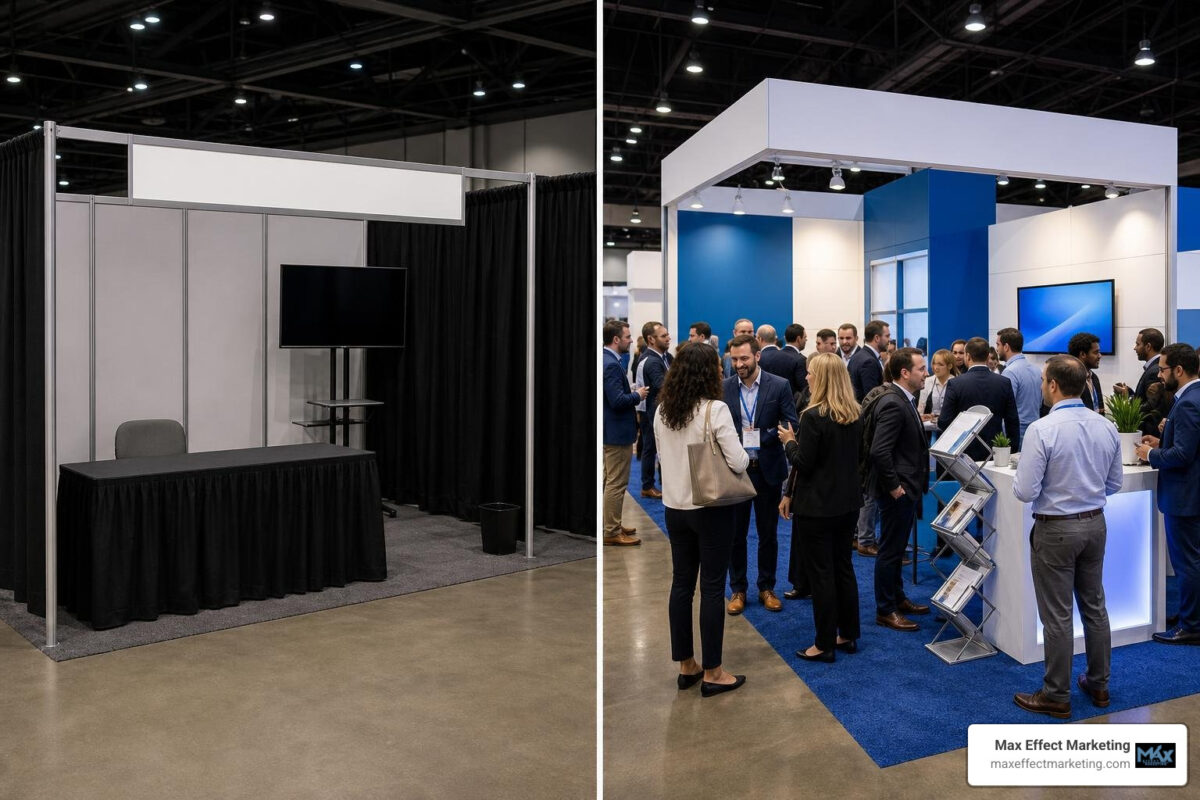
Why Pre-Show Marketing Beats On-Site Hope
Many exhibitors treat trade show marketing like a lottery. They buy the floor space, hire an agency to build a stunning booth, ship their products, fly their team in, and then… they stand around hoping that the sheer beauty of their graphics will pull people in.
We call this “building a shop in the desert.” You have a gorgeous setup, but if nobody knows you are there, your return on investment is going to be dry.
According to research from the Center for Exhibition Industry Research (CEIR), most exhibition visitors attend with a clear, pre-planned agenda. They are busy professionals with buying authority who have mapped out exactly which stands they plan to visit before they even set foot in the exhibition hall. If you are not on their calendar before day one, you are fighting for the scraps of their leftover attention.
Pre-show marketing is how we secure a spot on that pre-planned agenda. By reaching out to your target market weeks before the doors open, you build the trust and familiarity needed to make your stand a destination rather than an accidental detour. To understand how to execute this effectively, read this comprehensive How to Drive Traffic to Your Trade Show Booth | Guide to see how pre-show digital marketing outpaces on-floor hope every single time.
The 90-60-30 Rule for Visitor Promotion for Exhibition
To run a highly successful campaign for visitor promotion for exhibition stands, we rely on a structured, phased timeline. We do not throw everything together at the last minute. Instead, we use a strict 90-60-30 framework to build momentum:
- 90 Days Out (The Strategy & Segmentation Phase): This is where we make our core strategic decisions. We confirm the exhibition tier (is it a flagship Tier A event or a smaller Tier C validation show?), verify our Ideal Customer Profile (ICP) density, segment our CRM database, and lock in our “one demo hook.”
- 60 Days Out (The Infrastructure Phase): We build our dedicated, mobile-optimized landing page, set up our meeting calendar booking links, draft our personalized email snippets, and map out our UTM tracking parameters to measure exactly where our registrations are coming from.
- 30 Days Out (The Outreach Launch): We initiate our multi-touchpoint email and LinkedIn outreach sequences. We follow this up at 14 days with an agenda preview, and finally, at 7 days out, we send a “booth-number wave” email with clear hall locations and aisle landmarks to ensure attendees can easily find us.
By breaking your campaign down into these distinct phases, you prevent the panic of last-minute planning and ensure your team has booked high-value meetings before the exhibition doors even swing open. For a deeper dive into this exact timeline, check out the Trade Show Pre-Show Marketing 2026 | ExhibitionsVoice Blog to see how modern B2B exhibitors are structuring their campaigns.
Segmenting Your Audience to Maximize ROI
One of the most common mistakes we see is the “database blast”—sending a single generic email about your exhibition stand to every contact in your CRM. This is a fast track to the spam folder.
Instead, we segment our list to deliver hyper-relevant messages that maximize our promotional ROI:
- Existing Clients: We position the exhibition as an opportunity to connect in person, share an exclusive look at upcoming product roadmaps, and strengthen our partnership. We might invite them to a private VIP lunch or an evening networking event.
- Active Sales Prospects: We use the exhibition to accelerate the sales cycle. We offer them a dedicated, 20-minute live demonstration at our booth that directly addresses their current business pain points.
- Lapsed Accounts: We re-engage them by showcasing new features, services, or strategic directions that we are launching at the event, proving that we have evolved since our last conversation.
- Cold ICP Contacts: We reach out with a highly targeted, educational hook. We do not pitch our product immediately; instead, we invite them to view a live, objective industry presentation or participate in an interactive workshop at our stand.
By tailoring your message to where each contact sits in your funnel, you build far stronger relationships and drive a much higher conversion rate. If you want to learn more about how we build these high-converting, segmented campaigns, check out More info about our services to see how we help brands scale their outreach.
Multi-Channel Playbook: Sequencing Your Pre-Event Outreach
To cut through the noise of a busy industry event, your marketing campaign needs to meet your audience where they are. This means combining email, social media, paid digital advertising, and public relations into a single, cohesive narrative.

When we sequence these channels correctly, they reinforce one another. A prospect might see our targeted ad on LinkedIn, receive a personalized email invite three days later, and then read an industry publication featuring our upcoming exhibition launch. By the time they arrive at the venue, our brand is already top-of-mind. To explore how we structure these high-impact, multi-channel strategies, check out More info about online campaigns and let us build your custom roadmap.
Email and LinkedIn: The One-Hook Strategy
When it comes to direct outreach, consistency is everything. We use the “one-hook strategy,” which means we use the exact same value proposition across our email sequences, LinkedIn outreach, landing pages, and on-stand presentations.
If your pre-show email promises a 20-minute live demonstration of how to reduce manufacturing waste by 15%, your LinkedIn posts, landing page headline, and booth staff must deliver that exact same message. Mismatched expectations lead to calendar no-shows and frustrated visitors.
We also make sure that our digital outreach is incredibly easy to navigate. We include the exact hall number, stand number, and a recognizable landmark (e.g., “right next to the central cafe”) in every single email footer and social post. To see a great example of how organizers support exhibitors with customizable banners, pre-made social graphics, and digital VIP passes to make this outreach seamless, take a look at the ISE EXPO 2026 | EXHIBITOR MARKETING portal.
Leveraging Influencers, Media Partners, and Referral Programs
You do not have to do all the heavy lifting yourself. We can amplify our visitor promotion for exhibition stands by partnering with external voices who already have the ear of our target audience.
First, we look to the media. Crafting a compelling PR campaign around a unique, visual story can earn major coverage before the event even starts. For example, when promoting a major art installation, PR teams often capture and share dramatic, behind-the-scenes footage of the massive physical transportation and setup process to build national excitement. You can read a fascinating behind-the-scenes case study on how this visual storytelling works in How Kew Gardens promoted Henry Moore: Inside an art exhibition PR campaign.
Second, we can leverage peer-to-peer networks through structured referral programs. By offering tiered incentives—such as exclusive merchandise, free event perks, or cash-back prepaid cards—we can motivate our registered visitors to invite their industry colleagues. To see how a major international trade show structures a fraud-resistant, high-incentive referral system for overseas professionals, review the Visitor Referral program guidelines.
On-Floor Magnetism: Designing the Ultimate Visitor Promotion for Exhibition
Once you have successfully driven traffic to the exhibition hall, your physical presence must convert that passing interest into active engagement. The design of your stand should eliminate all psychological barriers to entry.
We avoid placing large trestle tables or high counters at the very front of the booth—these act as physical and emotional blockades that scream, “Do not cross this line unless you want to be sold to!” Instead, we use wide, open entryways, raised flooring to define our space, and hanging overhead banners that act as a visual “halo” visible from the main entrance of the hall.
| Passive Booth Elements (What to Avoid) | Active Engagement Tactics (What to Do) |
|---|---|
| Giant desks or counters blocking the entrance | Wide, open thresholds that welcome visitors in |
| Heavy, text-dense walls that require reading | Clean, billboard-style graphics at eye level |
| Dark, uninviting, or generic venue lighting | Strategic LED spotlights highlighting key products |
| Staff sitting behind laptops or checking phones | Trained staff standing at the edge, actively welcoming |
| Generic, low-value freebies (plastic pens, keychains) | Highly practical, branded items that solve real problems |
Interactive Demos, Gamification, and High-Value Giveaways
To maximize dwell time and spark natural, non-pushy conversations, we integrate interactive elements into our booth. This could include Virtual Reality (VR) product walk-throughs, custom interactive touchscreens, or gamified elements like a racing simulator with a live leaderboard. Games naturally foster friendly competition, drawing crowds who want to see who is leading the board.
When it comes to giveaways, we avoid cheap, generic plastic toys that end up in the hotel trash can. Instead, we offer high-quality, practical items that solve immediate, real-time problems for attendees—such as branded travel kits, high-end planners, or portable phone chargers.
We can also look to international best practices in experiential marketing. Successful roadshows and exhibitions often combine high-energy consumer entertainment—like live music, interactive stamp-collection games, and lucky draws featuring high-value travel prizes—with structured B2B seminars to capture multiple audiences simultaneously. To see this dual-funnel strategy in action, read about the success of the 【Expand international visitor markets】Experience Macao roadshow in Malaysia culminates in success of showcasing glamorous “tourism +” campaign.
Staff Training: Body Language and Active Engagement
Your stand design and interactive tech are only as good as the team representing your brand. We train our booth staff to avoid common behavioral traps that scare off potential leads.
Staff members should never sit down, huddle in closed circles to chat with colleagues, or look down at their phones. Instead, they should stand near the edge of the aisle with open body language, maintaining a warm and proactive posture.
We train them to use friendly, open-ended icebreakers rather than aggressive sales pitches or closed questions like “Can I help you?” (which almost always gets a “No thanks, just looking” response). Instead, we ask goal-oriented questions related to the industry, such as, “How are you currently managing your logistics workflows during peak seasons?”
Once a conversation is initiated, staff should use digital lead-capture apps to scan badges and instantly record key details, ensuring we can follow up with personalized information within 48 hours. To see how we support businesses with comprehensive event strategies and staff enablement, explore our Additional Services page.
Real-Time Buzz: Social Media and Live Coverage During the Event
Our marketing efforts do not stop when the exhibition doors open. In fact, they shift into a real-time content engine designed to build Fear Of Missing Out (FOMO) and attract last-minute local visitors who might still be on the fence about attending.
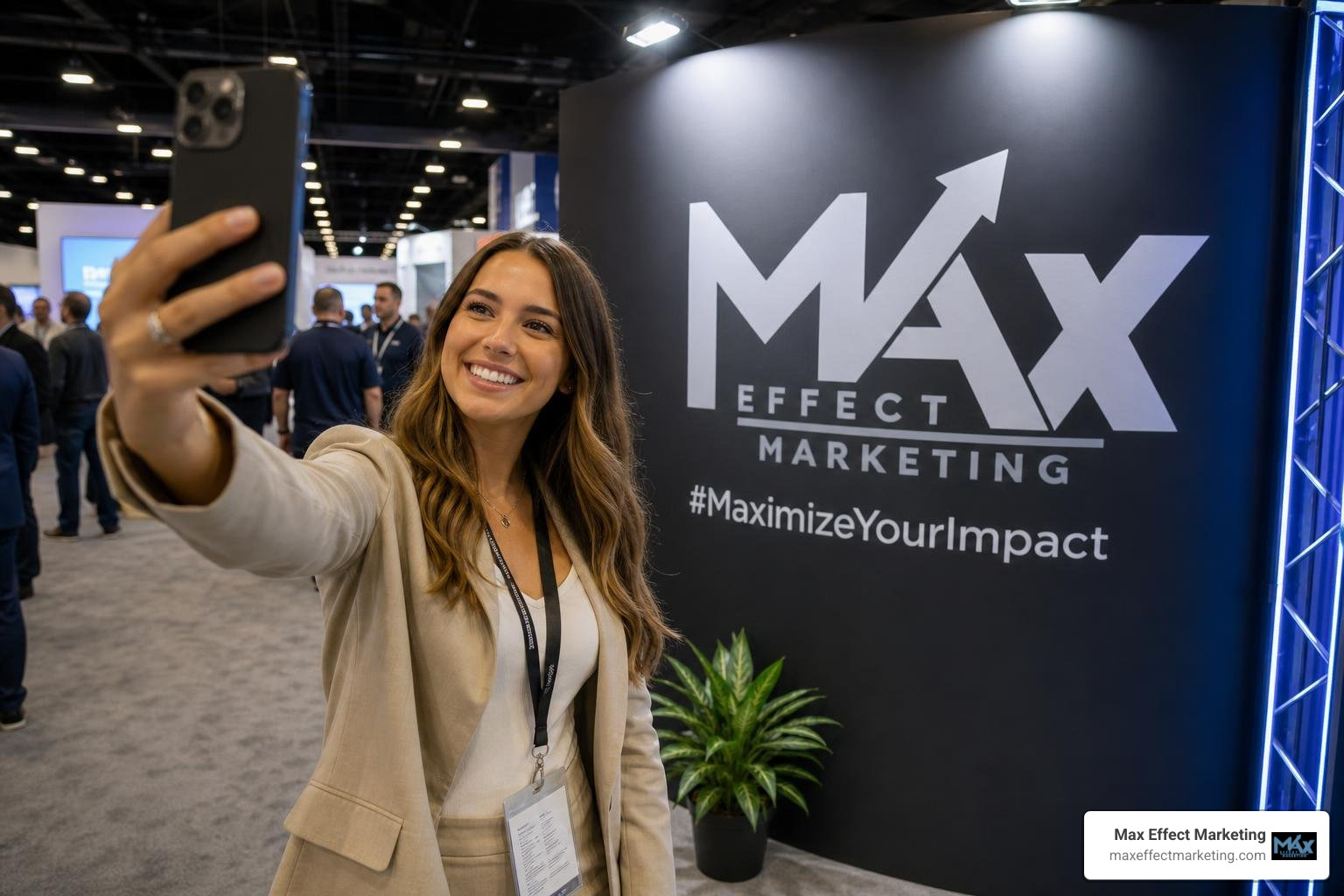
By turning our booth into a highly shareable, visual experience, we encourage our visitors to become organic brand promoters. We set up dedicated photo spots, interactive backdrops, or fun selfie frames featuring our unified event hashtag, making it incredibly easy for attendees to share their experiences with their own digital networks.
Creating FOMO with Live Streams and Photo Spots
During the event, we keep our social media channels buzzing with real-time updates. We run quick LinkedIn Live streams, broadcast live product demonstrations, post instant photo updates of our crowded booth, and share behind-the-scenes snippets on Instagram.
When remote industry professionals see the high energy, the packed crowds, and the valuable insights being shared at our stand, it creates a powerful sense of urgency. Local professionals will often jump in their cars to join the event, while long-distance prospects will make a mental note to schedule a digital follow-up meeting with us. To read more of our tactical guides on maximizing your digital presence, check out our blogs.
Frequently Asked Questions about Exhibition Marketing
How do I measure the success of my visitor promotion for exhibition?
We measure success by looking at a mix of primary and secondary metrics. The single most important pre-show Key Performance Indicator (KPI) is the number of held meetings on your calendar before day one, alongside your landing page booking conversion rate (we target 8% or higher).
On-site, we track total badge scans, qualified lead volume, and cost per lead (CPL). Post-show, we measure the conversion rate of those leads into active sales pipelines and calculate your overall Return on Investment (ROI). To see real-world examples of how we track and deliver measurable results for our clients, read our Case Study library.
When should I start promoting my exhibition stand?
Your strategic planning should begin 90 days out, your digital infrastructure (landing pages and tracking) should be locked in by 60 days out, and your active outreach campaign should launch exactly 30 days out.
This timeline gives you a comfortable 6-to-8-week window to run a highly structured, multi-touchpoint email and LinkedIn sequence, helping you secure a spot on your prospects’ pre-planned agendas before they finalize their travel plans.
Do giveaways actually drive qualified booth traffic?
Yes, but only when they are used as a reward for engagement rather than handed out at random to anyone passing by. We do not place bowls of freebies at the front of our stand for “freebie hunters” to grab.
Instead, we promote our high-value, practical gifts in our pre-show marketing and reserve them specifically for prospects who pre-book a calendar meeting, sit through a 15-minute live product demonstration, or participate in an interactive booth challenge. This ensures our promotional budget is spent entirely on high-value, qualified leads.
Conclusion
At the end of the day, a successful exhibition is not a matter of luck, and it does not rely solely on how much you spend on physical stand construction. It is the direct result of a structured, data-driven, and highly integrated marketing campaign that begins long before the doors open and continues in real-time throughout the live event.
At Max Effect Marketing, we are an AI-powered digital marketing agency dedicated to helping businesses generate real, measurable revenue. Our unique strength lies in combining intelligent, cutting-edge technology with deep human partnerships to deliver an outstanding 5X ROI for our clients.
If you are ready to stop hoping for foot traffic and start filling your exhibition calendar with highly qualified, pre-booked buyers, we are here to make it happen. Learn more About Us and our philosophy, Explore our online campaigns to see our full suite of digital strategies, or contact our expert team today to book your free consultation. Let’s make your next exhibition your most profitable one yet!